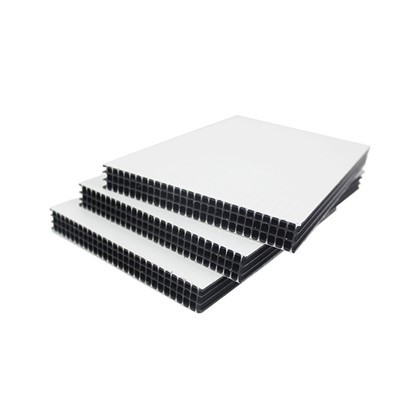
In the modern era of heightened environmental awareness, the demand for eco - friendly building materials is on the rise. As an outdoor WPC wall panel supplier, I often find my customers questioning the environmental friendliness of these products, especially when used outdoors. In this blog, I'll delve into the ecological aspects of WPC wall panels for outdoor applications, shedding light on their properties, manufacturing processes, and long - term environmental impacts.
Composition and Manufacturing Process
WPC, or Wood - Plastic Composite, is a hybrid material composed of wood fibers (usually sawdust, wood chips, or bamboo powder) and thermoplastics (such as polyethylene, polypropylene, or polyvinyl chloride). These two main components are mixed together along with additives like coupling agents, lubricants, and UV stabilizers, and then extruded to form the final wall panel.
One of the significant ecological benefits of the manufacturing process lies in the utilization of wood waste. By recycling sawdust and wood chips that would otherwise end up in landfills, WPC reduces the burden on forest resources. For example, a large amount of by - products from the lumber industry are transformed into valuable building materials, contributing to a more circular economy.
Moreover, compared to traditional wood processing, the production of WPC wall panels consumes less water and energy. The extrusion process is relatively energy - efficient, and modern manufacturing facilities are increasingly adopting renewable energy sources to power their operations. This shift towards sustainable energy use further enhances the eco - friendliness of WPC wall panel production.
Durability and Longevity
When it comes to outdoor use, durability is a crucial factor. WPC wall panels have excellent resistance to rot, decay, and insect infestation. Unlike natural wood, which can be easily damaged by moisture, fungi, and pests, WPC panels can withstand harsh outdoor conditions for an extended period.
This durability translates into a lower environmental impact over the long term. Since WPC panels do not need to be replaced as frequently as natural wood panels, there is less demand for new raw materials and less waste generated from disposal. For instance, a well - maintained WPC wall panel can last up to 20 - 30 years outdoors, while a natural wood panel might need replacement every 5 - 10 years. This extended service life reduces the overall carbon footprint associated with the building project.
Low - Maintenance Characteristics
Another environmental advantage of WPC wall panels for outdoor use is their low - maintenance nature. They do not require regular painting, staining, or sealing, which are common maintenance practices for natural wood. These traditional maintenance processes often involve the use of chemical - based paints and stains, many of which contain volatile organic compounds (VOCs). VOCs can be released into the atmosphere during application and can contribute to air pollution and health problems.
With WPC wall panels, all you need for maintenance is occasional cleaning with mild soap and water. This not only saves time and effort but also eliminates the environmental risks associated with the use and disposal of chemical - based maintenance products.
Recyclability
Recyclability is a key indicator of a material's eco - friendliness. WPC wall panels are recyclable at the end of their life cycle. The thermoplastic component can be melted down and reused in the production of new WPC products or other plastic - based materials. The wood fibers can also be re - incorporated into the manufacturing process, further closing the loop on resource utilization.
However, it's important to note that the recyclability of WPC panels depends on the availability of appropriate recycling facilities. In regions with well - established recycling infrastructure, the environmental benefits of WPC's recyclability can be fully realized. As an industry, we are constantly working to promote the development of recycling programs for WPC products to ensure that they are disposed of in an environmentally responsible manner.
UV Resistance and Environmental Impact
Outdoor WPC wall panels are often exposed to sunlight, which can cause fading, discoloration, and degradation over time. To address this issue, manufacturers add UV stabilizers to the WPC formulation. While these additives enhance the panel's resistance to sunlight, there has been some concern about their environmental impact.
Most modern UV stabilizers used in high - quality WPC wall panels are designed to be environmentally safe. They are formulated to minimize the release of harmful substances into the environment. However, it's essential for customers to choose WPC products from reputable suppliers who adhere to strict environmental standards. At our company, we ensure that all our WPC Panels for Exterior Walls are treated with UV stabilizers that meet or exceed international environmental regulations.
Comparing with Other Outdoor Wall Materials
When considering the eco - friendliness of WPC wall panels for outdoor use, it's useful to compare them with other common outdoor wall materials.
Natural Wood: As mentioned earlier, natural wood requires regular maintenance with chemical - based products and is more susceptible to damage, leading to a shorter lifespan and higher resource consumption. Additionally, the logging of natural wood can contribute to deforestation if not managed sustainably.
Brick and Stone: While brick and stone are durable and have a long lifespan, their production is energy - intensive. The extraction of raw materials, the firing process for bricks, and the cutting and shaping of stone all require significant amounts of energy, often derived from non - renewable sources.
Vinyl Siding: Vinyl siding is a popular alternative, but it is made from polyvinyl chloride (PVC), which can release toxic chemicals during production and disposal. In contrast, WPC wall panels offer a more balanced combination of environmental benefits, durability, and aesthetic appeal.


Conclusion
In conclusion, WPC wall panels are a highly eco - friendly option for outdoor use. Their composition from recycled wood waste, energy - efficient manufacturing process, long lifespan, low - maintenance requirements, and recyclability all contribute to a reduced environmental impact. While there are some considerations, such as the use of UV stabilizers, choosing products from reliable suppliers can mitigate potential environmental risks.
If you're in the market for outdoor wall panels and are concerned about the environment, Exterior Wpc Wall Panel and Wood Wpc Wall Panel are outstanding choices. At our company, we are committed to providing high - quality, eco - friendly WPC wall panels that meet the diverse needs of our customers. If you're interested in learning more about our products or would like to discuss a potential purchase, please don't hesitate to reach out. We're looking forward to the opportunity to work with you on your next project.
References
- "Wood - Plastic Composites: Materials, Processing, and Products" by George E. Zaikov, Anvar P. Baiguzin, and Alexander L. Yudin.
- "Environmental Impact Assessment of Building Materials" by various authors in the Journal of Sustainable Construction Materials and Technologies.