


When considering outdoor construction and decoration materials, the fire resistance of the chosen product is a crucial factor. As a supplier of WPC (Wood - Plastic Composite) wall panels for outdoor use, I often encounter questions from customers about the fire - resistant properties of our products. In this blog, we will explore whether WPC wall panels are fire - resistant for outdoor applications, and provide a comprehensive analysis based on scientific knowledge and practical experience.
Understanding WPC Wall Panels
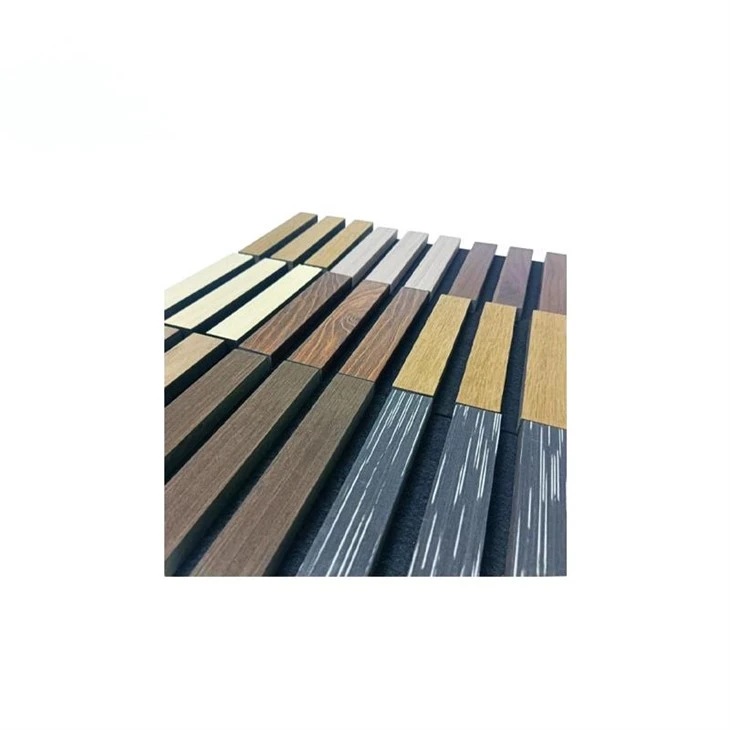
WPC wall panels are a combination of wood fibers and plastic polymers. This unique blend offers a range of benefits such as durability, low maintenance, and an aesthetically pleasing appearance similar to natural wood. They are widely used in outdoor settings like patios, decks, and exterior wall cladding. There are various types of WPC wall panels available on the market, including WPC Wood Panel Outdoor, WPC Wall Cladding Interior, Wpc Decorative Wall Panel, Wall Wpc Panel, and WPC Interior Wall Cladding Board.
The composition of WPC wall panels plays a significant role in their fire - resistant characteristics. The wood fibers in the panels are derived from natural sources, which are combustible materials. On the other hand, the plastic component can vary in its flammability depending on the type of polymer used. Commonly used plastics in WPC production include polypropylene (PP), polyethylene (PE), and polyvinyl chloride (PVC).
Fire - Resistance Ratings of WPC Wall Panels
Fire - resistance ratings are standardized evaluations that indicate how well a material can withstand fire under specific conditions. The most common rating systems are the ASTM E84 in the United States and the EN 13501 - 1 in Europe.
In general, WPC wall panels have a range of fire - resistance ratings. Lower - quality WPC panels may have a relatively poor fire performance, similar to untreated wood. These panels can catch fire easily when exposed to an open flame and may spread the fire rapidly. However, high - quality WPC wall panels can be engineered with fire - retardant additives to improve their fire - resistance.

Fire - retardant additives work by either releasing non - flammable gases when heated, which dilute the oxygen around the material, or by forming a protective char layer on the surface of the panel. This char layer acts as a barrier, reducing the heat transfer to the underlying material and slowing down the combustion process. Some WPC manufacturers use intumescent coatings, which expand when heated, providing an additional layer of insulation.
Factors Affecting the Fire - Resistance of WPC Wall Panels for Outdoor Use
- Additive Content: The amount and type of fire - retardant additives used in the manufacturing process are directly related to the panel's fire - resistance. A higher proportion of effective additives can significantly enhance the panel's ability to resist fire.
- Installation Method: Proper installation is crucial for maintaining the fire - resistance of WPC wall panels. Gaps between panels can allow fire to spread more easily, so it is important to ensure a tight fit during installation. Additionally, using fire - resistant sealants around the edges of the panels can further improve their fire - performance.
- Environmental Conditions: Outdoor environments expose WPC wall panels to various weather conditions, such as sunlight, rain, and high humidity. Over time, these conditions can degrade the fire - retardant additives in the panels, reducing their fire - resistance. Therefore, regular maintenance and inspection are necessary to ensure the long - term fire - safety of the panels.
- Proximity to Ignition Sources: The location of the WPC wall panels in relation to potential ignition sources also affects their fire - safety. For example, if the panels are installed near a barbecue grill or a fireplace, they are at a higher risk of catching fire. In such cases, additional fire - prevention measures may be required.
Testing and Certification
To ensure the fire - safety of WPC wall panels for outdoor use, it is essential to look for products that have been tested and certified by recognized organizations. These certifications provide independent verification of the panel's fire - resistance performance.
Manufacturers should conduct regular in - house testing to monitor the quality of their products. This includes tests such as the cone calorimeter test, which measures the heat release rate of the material, and the single - burning item test, which assesses the fire spread and smoke production.
Comparison with Other Outdoor Wall Materials
When comparing WPC wall panels with other outdoor wall materials in terms of fire - resistance, several factors need to be considered.
1. Natural Wood
Natural wood is highly combustible and has a relatively poor fire - resistance compared to WPC wall panels, especially those with fire - retardant additives. WPC panels are less likely to catch fire and spread flames quickly, making them a safer choice in fire - prone areas.
2. Brick and Stone
Brick and stone are non - combustible materials and offer excellent fire - resistance. However, they are heavier and more expensive to install compared to WPC wall panels. WPC panels provide a more cost - effective and lightweight alternative, while still offering a reasonable level of fire - safety when properly engineered.
3. Metal
Metal wall panels are also non - combustible. They have a high melting point and do not contribute to the spread of fire. However, metal can conduct heat, which may cause problems in some situations. WPC wall panels, on the other hand, have better insulation properties and can help reduce heat transfer.
Practical Applications and Fire - Safety Considerations
In outdoor applications, WPC wall panels can be used in a variety of settings, including residential and commercial buildings. When using WPC wall panels in areas where fire - safety is a concern, such as near kitchens or in public buildings, it is important to follow local building codes and regulations.
For residential use, homeowners should ensure that the WPC wall panels are installed correctly and maintained regularly. They should also be aware of the potential fire hazards in their outdoor areas and take appropriate precautions, such as keeping flammable materials away from the panels.
In commercial settings, building owners and managers need to conduct regular fire - safety inspections and ensure that all fire - prevention measures are in place. This includes having fire - extinguishing equipment readily available and providing fire - safety training to employees.
Conclusion
In conclusion, WPC wall panels can be fire - resistant for outdoor use, especially when they are manufactured with high - quality fire - retardant additives and installed correctly. However, it is important to note that no material is completely fire - proof, and proper precautions should always be taken.
As a supplier of WPC wall panels for outdoor use, we are committed to providing our customers with products that meet the highest standards of fire - safety. Our products are thoroughly tested and certified to ensure their fire - resistance performance.
If you are interested in purchasing WPC wall panels for your outdoor project, or if you have any questions about their fire - resistance or other properties, we encourage you to contact us for a detailed discussion. We look forward to working with you to create a beautiful and safe outdoor space.
References
- ASTM International. "ASTM E84 - Standard Test Method for Surface Burning Characteristics of Building Materials."
- European Committee for Standardization. "EN 13501 - 1: Fire classification of construction products and building elements - Part 1: Classification using data from reaction to fire tests."
- Various industry research papers on the fire - resistance of wood - plastic composite materials.


