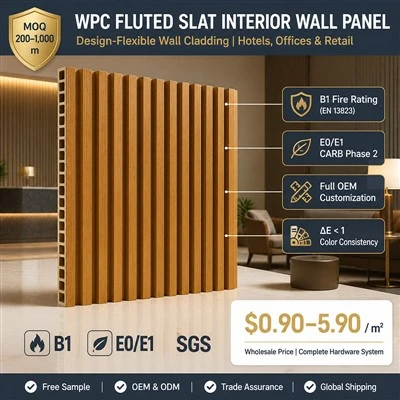
Hey there, all you interior design enthusiasts and construction pros! I'm a supplier of WPC panels, and today, I want to dive deep into a question that often pops up: "What is the weight of WPC panel?"
Understanding WPC Panels
First off, let's talk a bit about what WPC panels are. WPC stands for Wood - Plastic Composite. These panels are made by combining wood fibers or flour with plastic polymers. This hybrid construction gives WPC panels a whole bunch of cool features. They're durable, resistant to moisture, and can mimic the look of real wood, making them a popular choice for both indoor and outdoor applications.
You might be thinking, "Why does the weight of a WPC panel matter?" Well, it's crucial for a few reasons. If you're working on a building project, the weight affects how easy the panels are to handle and install. Heavier panels might need more manpower and specialized equipment for installation. Also, if you're using them in a structure, the overall weight can impact the load - bearing capacity of the building.
Factors Affecting the Weight of WPC Panels
There are several factors that can influence the weight of WPC panels.
Material Composition
The ratio of wood fibers to plastic polymers plays a huge role. Panels with a higher percentage of wood fibers tend to be heavier because wood is denser than most plastics. On the other hand, panels with more plastic content are generally lighter. For example, if we have a panel with 70% wood fibers and 30% plastic, it's going to weigh more than a panel with 30% wood fibers and 70% plastic.


Panel Thickness
This one's pretty obvious. Thicker panels are heavier. A 10mm thick WPC panel will weigh less than a 20mm thick one. When you increase the thickness, you're adding more material, and that directly adds to the weight.
Density
Density is a measure of how much mass is packed into a given volume. Higher - density WPC panels are heavier. The density can be influenced by the manufacturing process, such as the pressure applied during extrusion. If the panel is compressed more during production, it will have a higher density and thus a greater weight.
Typical Weight Ranges of WPC Panels
Now, let's get to the numbers. The weight of WPC panels can vary widely depending on the factors we just discussed.
On average, a standard WPC panel with a thickness of around 8 - 10mm might weigh between 5 - 8 kilograms per square meter. For thicker panels, say 15 - 20mm, the weight can go up to 10 - 15 kilograms per square meter.
But hey, these are just ballpark figures. The weight can deviate from these ranges based on the specific composition and manufacturing process of the panels.
Comparing to Other Panel Types
It's always useful to compare WPC panels to other types of panels in terms of weight. Let's take a look at some common alternatives.
Spc Marble Panels
Spc Marble Panels are made of Stone Plastic Composite. These panels are often lighter than WPC panels, especially if the WPC has a high wood fiber content. Spc panels usually have a density that results in a lower weight per square meter. This makes them a great option when weight is a major concern, like in high - rise buildings where every bit of weight matters.
WPC Fluted Slat Interior Wall Panel
WPC Fluted Slat Interior Wall Panel is a type of WPC panel with a unique fluted design. The fluting can actually reduce the overall weight of the panel compared to a solid - faced WPC panel. However, the weight still depends on the thickness and material composition.
Installation Considerations Based on Weight
As I mentioned earlier, the weight of the panels impacts the installation process.
If you're dealing with heavier WPC panels:
- You'll need more people to carry and position them. This means higher labor costs.
- You might need to use lifting equipment like cranes or hoists for larger projects.
- Make sure the structural support of the building can handle the additional weight. This could involve reinforcing the walls or floors.
For lighter panels:
- They're easier to handle and can be installed by a smaller crew.
- You might not need heavy - duty lifting equipment, which can save on equipment rental costs.
The Impact of Weight on Transport
The weight also affects how you transport the WPC panels. Heavier panels mean that you can't fit as many on a truck. This can increase the number of trips needed to deliver all the panels for a project, which in turn raises transportation costs. It's important to work out the most efficient way to transport the panels based on their weight, whether it's by optimizing the loading pattern on the truck or choosing the right type of transport vehicle.
WPC Panels in Different Applications
Let's talk about how the weight of WPC panels matters in different applications.
Interior Walls
For Wpc Wall Panelling in interior walls, lighter panels are often preferred. They're easier to install on existing walls without putting too much stress on the structure. Also, if you're planning to change the wall design in the future, lighter panels are much easier to remove.
Bathroom Applications
In bathrooms, Spc Wall Panels For Bathroom are a common choice. Since bathrooms are often small spaces, lighter panels are more convenient to install. And because of the moisture - resistant properties, they can withstand the humid environment.
Outdoor Use
When it comes to outdoor applications, the weight can be a bit more forgiving. Heavier WPC panels can be more stable and resistant to weather conditions. However, you still need to ensure that the installation structure can support the weight.
How Our Company Keeps an Eye on Weight
As a WPC panel supplier, we understand the importance of weight. We carefully control the production process to ensure that our panels meet the desired weight specifications. We test each batch of panels to make sure they're within the expected weight range and have consistent quality.
We also offer a variety of panel options with different weights to suit different customer needs. Whether you need a lightweight panel for a quick and easy interior installation or a heavier, more durable panel for an outdoor project, we've got you covered.
Contact Us for Your WPC Panel Needs
If you're in the market for WPC panels and have questions about weight, composition, or anything else, don't hesitate to reach out. We're here to help you choose the right panels for your project. Our team of experts can provide you with detailed information and guidance to make sure you get the best - fitting solution. So, let's start the conversation and get your project off to a great start!
References
- Textbooks on construction materials
- Industry reports on WPC panel manufacturing and applications