In contemporary architectural engineering and commercial real estate development, material selection dictates structural longevity, maintenance expenditure, and lifecycle carbon performance. Traditional timber, natural stone, and monolithic metals have long served as industry standards, yet their vulnerability to weathering, biological degradation, and high lifecycle costs presents persistent engineering challenges. Enter advanced composite building products-engineered material systems that integrate polymer matrices with natural fibers or mineral reinforcements to achieve superior mechanical properties.
For global B2B procurement managers, landscape architects, and real estate developers, understanding the underlying material science is critical. This comprehensive technical guide evaluates how modern composites-spanning high-performance Wall Cladding & Panels, structural Flooring, architectural Decorative Stone & Facade systems, and precision-engineered Accessories & Fixings-deliver uncompromising structural integrity, environmental resilience, and long-term economic returns.
What Are the Core Mechanical Advantages of Wood-Plastic Composites (WPC) Over Natural Timber?
Natural timber undergoes continuous volumetric changes due to moisture absorption and thermal expansion. In outdoor and high-humidity environments, this results in warping, splitting, checking, and biological rot. WPC engineering solves these degradation pathways at the molecular level.
By encapsulating cellulose fibers (such as recycled wood flour or bamboo particles) within high-density polyethylene (HDPE) or polyvinyl chloride (PVC) matrices, the polymer shield prevents water molecules from penetrating the cellular structure. Laboratory hygroscopic testing confirms that premium WPC profiles absorb less than 0.5% moisture by weight over a 24-hour immersion period, virtually eliminating fungal decay and insect infestation.
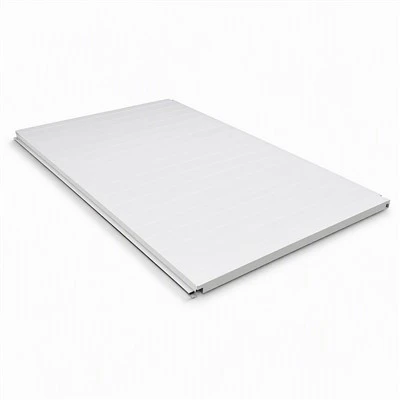
Furthermore, structural tensile strength and flexural modulus are optimized during co-extrusion. When applied to exterior Wall Cladding & Panels and heavy-duty Flooring decks, composites maintain dimensional stability across extreme thermal ranges from -40°C to +60°C, ensuring zero structural sagging or fastener pull-out over decades of service.
How Do Advanced Composite Facades and Stone Veneers Achieve Weather Resistance and Aesthetic Permanence?
Building exteriors face constant environmental assault from UV radiation, acid rain, wind-driven saline moisture, and freeze-thaw cycles. Traditional stone facades are heavy, prone to micro-cracking, and require labor-intensive anchoring systems, while traditional painted panels chalk and fade within years.
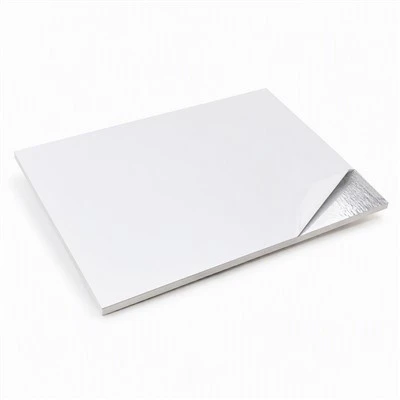
Modern architectural Decorative Stone & Facade systems utilize mineral-filled polymer composites and high-performance exterior capping layers. The outer capping shield incorporates UV-stabilized acrylic or ASA (Acrylonitrile Styrene Acrylate) engineering resins that reflect solar radiation and block ultraviolet degradation. Accelerated weathering tests (ASTM G154) demonstrate color retention stability exceeding 10,000 operational hours with negligible delta-E color shift.
|
Performance Parameter |
Traditional Natural Timber |
Standard First-Gen WPC |
WPCTOP Capped Co-Extruded Composite |
|
Water Absorption Rate |
8.0% - 15.0% (High swelling) |
1.5% - 3.0% (Moderate) |
< 0.5% (Impermeable shield) |
|
UV & Color Stability |
Fades & grays rapidly; needs staining |
Moderate fading in first 6 months |
Advanced ASA cap-layer; zero fading |
|
Maintenance Lifecycle |
Annual oiling, sanding & sealing |
Periodic pressure washing |
Low-maintenance soap and water wash |
|
Expected Commercial Lifespan |
10 - 15 years (with maintenance) |
15 - 20 years |
25 - 30+ years structural warranty |
Why Are Precision Accessories and Fixings Critical to the Structural Integrity of Composite Installations?
A common failure point in exterior building envelopes is not the primary panel or decking board, but the secondary support structure and fastening hardware. Galvanized steel fasteners rust in marine or humid industrial zones, creating rust bleeding and weakening clamping force, while rigid direct-screwing restricts natural thermal movement.
At WPCTOP (https://www.wpctop.com), our engineering philosophy dictates that superior materials demand engineered hardware. Our comprehensive suite of Accessories & Fixings includes marine-grade 304/316 stainless steel hidden clips, UV-resistant structural joists, and thermal expansion-compensating clips.
|
Engineering Insight: Hidden fastening systems not only deliver a pristine, unbroken architectural aesthetic for Wall Cladding & Panels and Flooring installations, but they also provide precise millimeter-level expansion gaps. This accommodates linear thermal expansion coefficients without inducing shear stress or localized buckling. |
How Do Sustainable Manufacturing Practices and Circular Economy Principles Drive B2B Project Value?
Global green building certifications-including LEED, BREEAM, and DGNB-place rigorous demands on carbon embodied energy, circularity, and supply chain transparency. B2B contractors and municipal developers are increasingly evaluated on sustainable procurement metrics.
Composite manufacturing excels in circular resource utilization. By diverting post-industrial reclaimed wood fibers and high-density polyolefin polymers from municipal waste streams, composite production achieves up to 95% recycled content usage without sacrificing mechanical performance. Furthermore, at the end of their multi-decade operational lifespan, WPCTOP composite products are 100% recyclable back into the manufacturing cycle, establishing a closed-loop material economy that lowers project carbon footprints.
WPCTOP Manufacturing Excellence & Global Supply Chain Capabilities
Sourcing high-performance building materials requires more than laboratory specifications; it demands industrial scale, rigorous quality control, and seamless logistics execution. As a premier manufacturer and global exporter, WPCTOP operates state-of-the-art extrusion facilities equipped with automated multi-cavity tooling, online ultrasonic weld inspection, and certified ISO9001/ISO14001 quality management systems.
Our turnkey product ecosystem-encompassing versatile Wall Cladding & Panels, slip-resistant Flooring, elegant Decorative Stone & Facade elements, and robust Accessories & Fixings-empowers international distributors, landscape contractors, and resort developers to execute complex architectural visions with zero supply chain friction.
Ready to Elevate Your Next Commercial or Residential Project?Partner with WPCTOP for certified material specifications, custom profile engineering, and competitive wholesale pricing. |