


As a supplier of WPC (Wood Plastic Composite) Wood Slat Wall Panels, I often get asked about the versatility of our products. One common question is whether WPC Wood Slat Wall Panels can be used in a studio. In this blog post, I'll explore the potential of using these panels in a studio setting, discussing their benefits, considerations, and applications.
Benefits of Using WPC Wood Slat Wall Panels in a Studio
Aesthetic Appeal
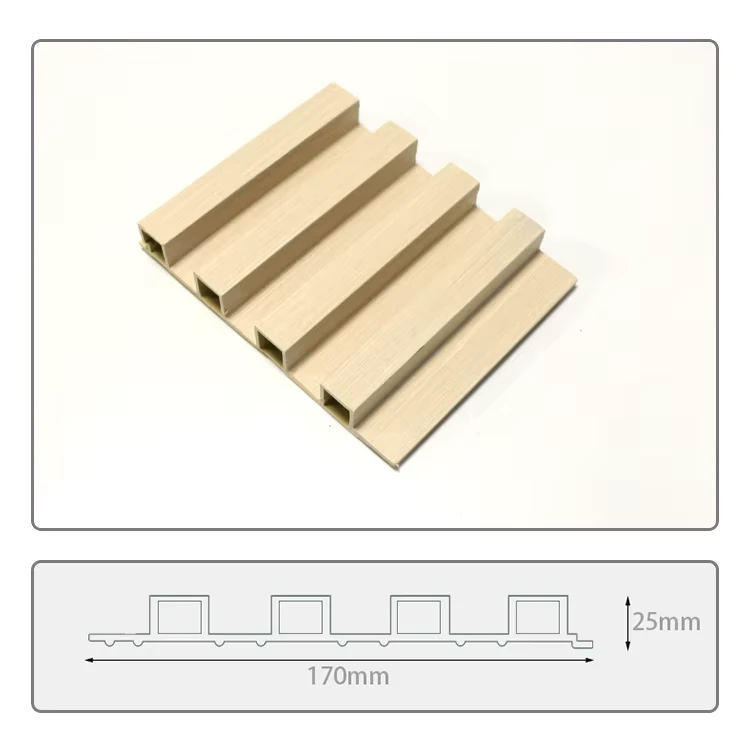
WPC Wood Slat Wall Panels offer a natural and warm aesthetic that can enhance the overall look of a studio. The wood-like appearance provides a sense of comfort and creativity, making it an ideal choice for a space where inspiration is key. The slatted design adds texture and depth to the walls, creating a visually interesting environment. Whether you're running an art studio, a photography studio, or a music studio, the aesthetic appeal of WPC Wood Slat Wall Panels can contribute to a more inviting and inspiring atmosphere.
Durability
Studios can be high-traffic areas, and the walls need to withstand wear and tear. WPC Wood Slat Wall Panels are known for their durability. They are resistant to scratches, dents, and moisture, making them suitable for long-term use in a studio. Unlike traditional wood panels, WPC panels are less likely to warp or rot, ensuring that your studio walls maintain their appearance over time. This durability also means less maintenance, allowing you to focus on your work rather than constantly repairing or replacing wall panels.
Sound Absorption
In a studio, sound quality is crucial. WPC Wood Slat Wall Panels can help improve the acoustics of the space. The slatted design creates air pockets that can absorb sound waves, reducing echo and reverberation. This is especially beneficial for music studios, where clear sound is essential for recording and mixing. Even in art or photography studios, where noise reduction may not be as critical, a quieter environment can still enhance concentration and creativity.
Easy Installation
Installing WPC Wood Slat Wall Panels is relatively straightforward. They can be easily cut to size and installed using standard tools. This means that you can quickly transform your studio walls without the need for extensive construction work. The ease of installation also makes it a cost-effective option, as you can save on labor costs. Whether you're a DIY enthusiast or hiring a professional, the installation process is efficient and hassle-free.
Considerations When Using WPC Wood Slat Wall Panels in a Studio
Color and Finish
When choosing WPC Wood Slat Wall Panels for your studio, consider the color and finish. The color should complement the overall design and mood of the studio. For a bright and airy studio, lighter colors may be more suitable, while darker colors can create a more intimate and moody atmosphere. The finish can also affect the appearance of the panels. A matte finish can give a more natural and rustic look, while a glossy finish can add a modern and sleek touch.
Fire Resistance
Depending on the type of studio, fire safety may be a concern. Some WPC Wood Slat Wall Panels are treated to be fire-resistant. It's important to check the fire rating of the panels and ensure that they meet the safety requirements of your studio. This is especially important in commercial studios or those located in areas with strict fire codes.
Maintenance
While WPC Wood Slat Wall Panels are relatively low-maintenance, they still require some care. Regular cleaning with a mild detergent and water can help keep the panels looking their best. Avoid using abrasive cleaners or tools that could scratch the surface. Additionally, if the panels are exposed to direct sunlight for long periods, they may fade over time. Consider using window treatments to protect the panels from excessive sunlight.
Applications of WPC Wood Slat Wall Panels in a Studio
Art Studios
In an art studio, WPC Wood Slat Wall Panels can provide a beautiful backdrop for displaying artwork. The natural wood look can enhance the visual appeal of paintings, sculptures, and other art forms. The panels can also be used to create partitions or display areas within the studio, allowing for a more organized and functional space.
Photography Studios
Photography studios require a versatile and visually appealing environment. WPC Wood Slat Wall Panels can be used to create different backdrops for photo shoots. The slatted design can add texture and depth to the images, creating a more interesting and professional look. The sound absorption properties of the panels can also help reduce background noise, ensuring clear audio during video shoots.
Music Studios
Music studios need to have excellent acoustics. WPC Wood Slat Wall Panels can help improve the sound quality by reducing echo and reverberation. The panels can be installed on the walls and ceilings of the studio to create a more controlled acoustic environment. Additionally, the aesthetic appeal of the panels can contribute to a more inspiring and comfortable space for musicians.
Conclusion
In conclusion, WPC Wood Slat Wall Panels can be a great choice for a studio. They offer a range of benefits, including aesthetic appeal, durability, sound absorption, and easy installation. However, it's important to consider factors such as color, finish, fire resistance, and maintenance when choosing the panels. Whether you're an artist, photographer, or musician, WPC Wood Slat Wall Panels can help create a functional and inspiring studio environment.
If you're interested in using WPC Wood Slat Wall Panels for your studio, I encourage you to explore our Wpc Wall Panel Interior, Wood Wpc Wall Panel, and WPC Slatted Cladding for Outdoor options. We offer a wide range of colors, finishes, and sizes to meet your specific needs. Contact us to discuss your project and get a quote. We're here to help you create the perfect studio space with our high-quality WPC Wood Slat Wall Panels.

References
- "Wood Plastic Composite (WPC) Materials: A Review." Journal of Polymers and the Environment.
- "Acoustic Properties of Wood-Based Panels." Wood Science and Technology.
- "Durability of Wood Plastic Composites." Composites Part B: Engineering.


