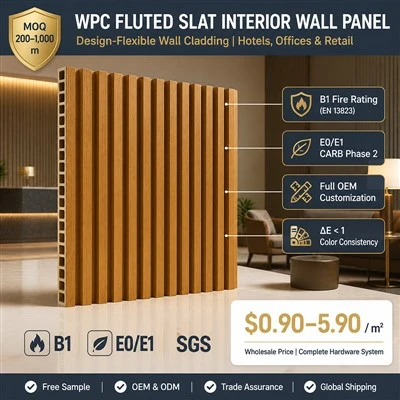
As a supplier of WPC wall panels for outdoor use, one question I often get asked is, "Do outdoor WPC wall panels warp in hot weather?" This is a valid concern, especially for those living in regions with high temperatures. In this blog post, I'll delve into the science behind WPC wall panels, their performance in hot weather, and how to ensure they maintain their integrity over time.
Understanding WPC Wall Panels
WPC, or Wood - Plastic Composite, is a material made by combining wood fibers or flour with thermoplastics. This blend offers the best of both worlds: the natural look and feel of wood and the durability and low - maintenance properties of plastic. Outdoor WPC wall panels are designed to withstand various environmental conditions, including sunlight, rain, and temperature fluctuations.
The manufacturing process of WPC wall panels involves mixing the wood and plastic components under high heat and pressure. This creates a dense and uniform material that is resistant to rot, insects, and moisture. The plastic component in WPC helps to bind the wood fibers together, providing additional strength and stability.
Factors Affecting Warping in Hot Weather
Warping is a common issue with many building materials, and WPC wall panels are not immune. However, the likelihood of warping in hot weather depends on several factors:
1. Quality of the WPC Material
The quality of the WPC material plays a significant role in its resistance to warping. High - quality WPC panels are made with a proper ratio of wood to plastic, ensuring a balanced structure. Inferior WPC products may have a higher proportion of wood, which can make them more prone to warping as wood expands and contracts with changes in temperature and humidity.
2. Installation Method
Proper installation is crucial to prevent warping. If the panels are not installed correctly, they may not have enough room to expand and contract naturally. For example, if the panels are installed too tightly, they may buckle or warp when they expand in hot weather. It's important to follow the manufacturer's installation guidelines, which typically recommend leaving a small gap between panels to allow for expansion.

3. Exposure to Sunlight
Direct sunlight can cause the surface of WPC wall panels to heat up significantly. Over time, excessive heat can lead to expansion and contraction, which may result in warping. To minimize the impact of sunlight, it's advisable to choose WPC panels with UV - resistant coatings. These coatings help to protect the panels from the harmful effects of the sun's rays and reduce the risk of warping.
4. Environmental Conditions
In addition to temperature, humidity levels can also affect the performance of WPC wall panels. High humidity can cause the wood fibers in the WPC to absorb moisture, leading to expansion. If the panels are exposed to alternating periods of high humidity and dry conditions, they may be more likely to warp.
How to Prevent Warping in Hot Weather
As a supplier of outdoor WPC wall panels, I recommend the following steps to prevent warping in hot weather:
1. Choose High - Quality Panels
Invest in high - quality WPC wall panels from a reputable supplier. Look for panels that have been tested for durability and performance in various environmental conditions. High - quality panels are more likely to resist warping and last longer.
2. Follow Proper Installation Procedures
Ensure that the panels are installed correctly by a professional installer. Follow the manufacturer's installation guidelines, including leaving the recommended expansion gaps between panels. This will allow the panels to expand and contract naturally without causing warping.
3. Provide Adequate Ventilation
Proper ventilation is essential to prevent the buildup of heat and moisture behind the wall panels. Ensure that there is sufficient air circulation between the panels and the wall. This can help to reduce the temperature and humidity levels, minimizing the risk of warping.
4. Use UV - Resistant Coatings
Apply a UV - resistant coating to the WPC wall panels. This will help to protect the panels from the sun's rays and reduce the risk of warping. UV - resistant coatings can also enhance the appearance of the panels and extend their lifespan.
Real - World Performance of WPC Wall Panels in Hot Weather
Many of our customers have installed our WPC Board Elevation and WPC Wood Panel Outdoor products in regions with hot climates. In general, our high - quality WPC wall panels have shown excellent performance, with minimal warping even in extreme heat.
For example, in a project in a desert area with average summer temperatures exceeding 40°C (104°F), our WPC wall panels maintained their shape and structural integrity. The key to their success was proper installation, including leaving expansion gaps, and the use of UV - resistant coatings.
Conclusion
In conclusion, while outdoor WPC wall panels can potentially warp in hot weather, the risk can be significantly reduced by choosing high - quality panels, following proper installation procedures, providing adequate ventilation, and using UV - resistant coatings. As a supplier of WPC Panels for Exterior Walls, we are committed to providing our customers with the best - quality products and guidance to ensure their long - term performance.
If you're considering using WPC wall panels for your outdoor project, we'd be happy to discuss your specific needs and provide you with more information. Whether you're building a new home, renovating an existing structure, or looking for a durable and attractive wall cladding solution, our WPC wall panels are an excellent choice. Contact us today to start the conversation and explore how our products can enhance your outdoor space.
References
- "Wood - Plastic Composites: Properties and Applications" by X. Cai and J. A. Youngquist
- "Durability of Wood - Plastic Composites in Outdoor Environments" by R. A. Young and S. J. Winandy