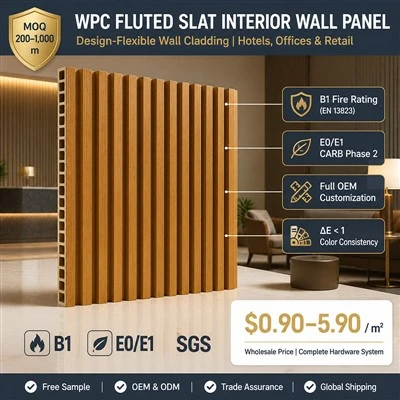
Hey there! As a supplier of WPC Wood Slat Wall Panels, I've seen my fair share of issues with mold growth. It's a common problem that can not only ruin the appearance of your walls but also pose health risks. In this blog, I'll share some tips on how to prevent mold growth on WPC Wood Slat Wall Panels.
Understanding Mold Growth
First things first, let's understand what causes mold to grow on WPC Wood Slat Wall Panels. Mold thrives in damp and humid environments. When the panels are exposed to moisture for an extended period, it creates the perfect conditions for mold to develop. This can happen due to various reasons, such as poor ventilation, water leaks, or high humidity levels in the room.
Choose the Right Installation Location
One of the key steps in preventing mold growth is to choose the right location for installing your WPC Wood Slat Wall Panels. Avoid areas that are prone to moisture, such as basements, bathrooms, or areas near water sources. If you have to install the panels in these areas, make sure to take extra precautions to prevent moisture from seeping in.
Ensure Proper Ventilation
Proper ventilation is crucial for preventing mold growth. Make sure the room where the panels are installed has good air circulation. You can achieve this by installing exhaust fans, opening windows, or using a dehumidifier. By reducing the humidity levels in the room, you can make it less conducive for mold to grow.
Seal the Panels
Sealing the WPC Wood Slat Wall Panels can help prevent moisture from penetrating the surface. There are various types of sealants available in the market, such as waterproof sealants or mold-resistant sealants. Make sure to choose a sealant that is specifically designed for WPC panels. Apply the sealant according to the manufacturer's instructions, and make sure to cover all the surfaces of the panels.
Keep the Panels Clean
Regular cleaning is essential for preventing mold growth. Use a mild detergent and a soft cloth to clean the panels. Avoid using abrasive cleaners or scrubbers, as they can damage the surface of the panels. Make sure to dry the panels thoroughly after cleaning to prevent moisture from lingering.
Inspect for Water Leaks
Water leaks can be a major cause of mold growth. Regularly inspect the area around the panels for any signs of water leaks, such as water stains, dampness, or a musty smell. If you notice any leaks, make sure to fix them immediately to prevent moisture from seeping into the panels.
Use Mold-Resistant Panels
If you're in an area with high humidity or prone to mold growth, consider using mold-resistant WPC Wood Slat Wall Panels. These panels are specially treated to resist mold growth and can provide an extra layer of protection. You can find mold-resistant panels on our website Wall Panels Wpc.


Maintain the Right Humidity Levels
Maintaining the right humidity levels in the room is crucial for preventing mold growth. The ideal humidity level for indoor spaces is between 30% and 50%. You can use a hygrometer to measure the humidity levels in the room. If the humidity levels are too high, use a dehumidifier to reduce them.
Monitor the Panels Regularly
Regular monitoring of the WPC Wood Slat Wall Panels is important to detect any signs of mold growth early. Check the panels for any discoloration, spots, or a musty smell. If you notice any signs of mold, take immediate action to remove it. You can use a mold cleaner or a mixture of vinegar and water to clean the affected areas.
Conclusion
Preventing mold growth on WPC Wood Slat Wall Panels requires a combination of proper installation, maintenance, and monitoring. By following the tips mentioned in this blog, you can keep your panels looking great and free from mold. If you have any questions or need further assistance, feel free to contact us. We're here to help you make the most of your WPC Wood Slat Wall Panels.
Whether you're looking for WPC Panels for Exterior Walls or WPC Wall Cladding Interior, we have a wide range of options to suit your needs. If you're interested in purchasing our WPC Wood Slat Wall Panels or have any questions about mold prevention, don't hesitate to reach out. We're ready to assist you with your project and ensure you get the best results.
References
- "Mold Prevention Tips." Centers for Disease Control and Prevention.
- "How to Prevent Mold Growth in Your Home." Environmental Protection Agency.