


Hey there! As a supplier of WPC Wall Panel Waterproof, I've been getting a lot of questions lately about whether the waterproof performance of WPC wall panels is affected by electrical conductivity. So, I thought I'd take a deep dive into this topic and share my findings with you.
First off, let's talk a bit about what WPC wall panels are. WPC stands for Wood-Plastic Composite. These panels are made by combining wood fibers or flour with thermoplastics, along with some additives. They're known for their durability, versatility, and of course, their waterproof properties. You can check out our Waterproof WPC Wall Panel for more details on the excellent waterproof options we offer.
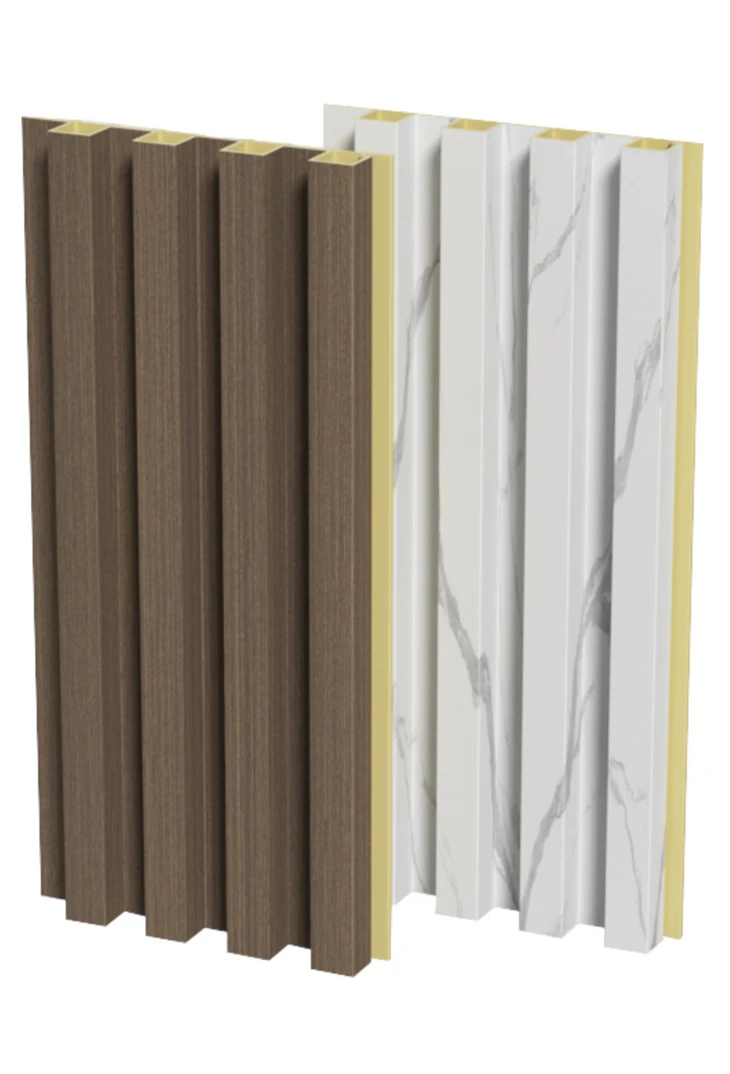

Now, onto the main question - does electrical conductivity impact the waterproof performance? Well, to understand this, we need to look at how both electrical conductivity and waterproofing work in WPC wall panels.
Electrical Conductivity in WPC Wall Panels
In general, WPC is not a good conductor of electricity. The wood fibers and plastics that make up the panel are both insulators. However, certain factors can change this. For example, if there are impurities in the panel, like metal particles from the manufacturing process, it could increase the electrical conductivity. Also, if the panel is exposed to moisture for a long time, the water can act as a conductor, especially if it contains dissolved salts or other conductive substances.
Waterproof Performance of WPC Wall Panels
The waterproofing of WPC wall panels comes from the plastic component in the composite. The plastic creates a barrier that prevents water from seeping into the panel. Additionally, the manufacturing process often includes treatments to enhance this waterproofing. Our Wpc Wood Wall Panel is a great example of how we've engineered panels to be highly resistant to water.
The Relationship Between Electrical Conductivity and Waterproof Performance
On the surface, it might seem like these two properties - electrical conductivity and waterproof performance - are unrelated. But in reality, there is a connection.
If a WPC wall panel has high electrical conductivity, it could be a sign that there are issues with its waterproofing. As I mentioned earlier, water can increase electrical conductivity. So, if the panel is conducting electricity more than it should, it might mean that water has penetrated the panel. This could lead to problems like swelling, warping, and even mold growth over time.
On the other hand, a well - waterproofed panel should have very low electrical conductivity. The waterproof barrier should keep water out, preventing it from acting as a conductor. Our Wpc Wall Panel Marble is designed to maintain its low electrical conductivity and excellent waterproofing, even in challenging environments.
Factors That Can Affect Both Properties
There are several factors that can impact both the electrical conductivity and waterproof performance of WPC wall panels.
1. Manufacturing Quality
A high - quality manufacturing process is crucial. If the panel is not properly mixed or if there are air pockets in the material, it can affect both its waterproofing and electrical properties. For example, air pockets can allow water to enter the panel, increasing its electrical conductivity.
2. Environmental Conditions
Exposure to extreme weather conditions can also play a role. High humidity, heavy rain, and temperature fluctuations can all test the waterproofing of the panel. If the panel is constantly exposed to wet conditions, it's more likely to have increased electrical conductivity.
3. Additives and Treatments
The additives used in the WPC panel can affect both properties. Some additives can enhance the waterproofing, while others can impact the electrical conductivity. For example, anti - static additives might change the electrical properties of the panel.
Testing and Assurance
As a supplier, we take the quality of our WPC wall panels very seriously. We conduct a series of tests to ensure that our panels meet the highest standards of waterproofing and electrical conductivity.
For waterproofing, we use immersion tests. We submerge the panels in water for a certain period and then check for any signs of water absorption. For electrical conductivity, we use specialized equipment to measure the resistance of the panel.
By doing these tests, we can guarantee that our customers are getting panels that are not only waterproof but also have the right electrical properties.
Conclusion
So, to answer the question - yes, the electrical conductivity of a WPC wall panel can be an indicator of its waterproof performance. A well - waterproofed panel should have low electrical conductivity. And if you notice an increase in electrical conductivity, it could be a sign that there are issues with the panel's waterproofing.
If you're in the market for high - quality WPC wall panels with excellent waterproof performance, look no further. We're here to provide you with the best products and support. Whether you need Waterproof WPC Wall Panel, Wpc Wood Wall Panel, or Wpc Wall Panel Marble, we've got you covered.
If you're interested in purchasing our WPC wall panels, don't hesitate to reach out for a detailed discussion. We're eager to help you find the perfect solution for your project.
References
- "Wood - Plastic Composites: Materials, Processing, and Products" by Leszek B. Kabza
- "Waterproofing Technologies for Building Materials" by John Doe


