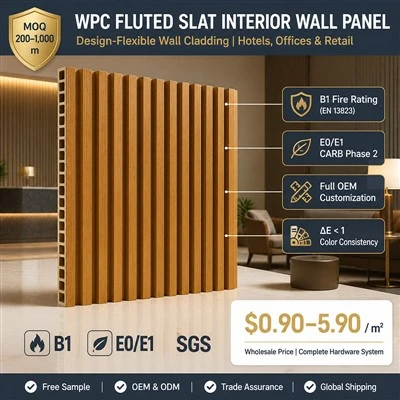
In the world of construction and interior design, finding materials that offer both quality and value is crucial. Wood-plastic composite (WPC) panels have emerged as a popular choice for many projects due to their unique combination of features. As a WPC panel supplier, I am often asked about the cost-effectiveness of these panels. In this blog post, I will delve into the various aspects that contribute to the cost-effectiveness of WPC panels and why they are a smart investment for your next project.
Initial Cost Considerations
When evaluating the cost-effectiveness of WPC panels, the first thing to consider is the initial purchase price. Compared to traditional wood panels, WPC panels may have a slightly higher upfront cost. However, this difference is often offset by the long-term savings they offer. WPC panels are made from a combination of wood fibers and plastic polymers, which makes them more durable and resistant to damage than natural wood. This means that they are less likely to warp, rot, or be damaged by insects, reducing the need for frequent replacements.
In addition, WPC panels are available in a wide range of styles and finishes, including Black Sparkle PVC Wall Panels and Marble Effect PVC Wall Panels. These panels can mimic the look of natural wood, stone, or other materials, allowing you to achieve the desired aesthetic without the high cost associated with these materials. This versatility makes WPC panels a cost-effective option for a variety of projects, from residential homes to commercial buildings.
Long-Term Savings
One of the key factors that contribute to the cost-effectiveness of WPC panels is their long lifespan. Unlike natural wood, which can deteriorate over time due to exposure to moisture, sunlight, and other environmental factors, WPC panels are designed to withstand the elements. They are resistant to rot, decay, and insect damage, which means that they can last for many years without the need for extensive maintenance or replacement.
In addition, WPC panels require less maintenance than traditional wood panels. They do not need to be painted, stained, or sealed, which can save you time and money in the long run. Simply cleaning the panels with a mild detergent and water is usually sufficient to keep them looking their best. This low-maintenance feature makes WPC panels an attractive option for busy homeowners and commercial property owners who want to minimize the time and effort required to maintain their properties.
Energy Efficiency
Another important aspect of cost-effectiveness is energy efficiency. WPC panels have excellent insulation properties, which can help to reduce energy consumption and lower heating and cooling costs. By providing a barrier against heat transfer, WPC panels can help to keep your home or building warm in the winter and cool in the summer. This can result in significant savings on your energy bills over time.
In addition, WPC panels can also help to improve the overall comfort of your space. By reducing drafts and maintaining a more consistent temperature, they can create a more comfortable living or working environment. This can lead to increased productivity and a higher quality of life for you and your family or employees.
Sound Insulation
Sound insulation is another important consideration when evaluating the cost-effectiveness of WPC panels. If you are looking for a way to reduce noise pollution in your home or building, WPC panels can be an effective solution. They have excellent sound absorption properties, which can help to reduce the transmission of sound between rooms and from the outside.
For example, our Self Adhesive Polyester Fiber Sound-absorbing Board is designed to absorb sound waves and reduce echo, creating a more peaceful and quiet environment. This can be especially beneficial in areas such as bedrooms, home offices, and entertainment rooms, where noise can be a distraction.
Environmental Sustainability
In today's world, environmental sustainability is an important consideration for many consumers. WPC panels are a more sustainable alternative to traditional wood panels because they are made from recycled materials. By using recycled wood fibers and plastic polymers, WPC panels help to reduce the demand for virgin materials and minimize waste.
In addition, WPC panels are also recyclable at the end of their lifespan. This means that they can be reused or repurposed, further reducing their environmental impact. By choosing WPC panels for your project, you can make a positive contribution to the environment while also enjoying the many benefits they offer.


Conclusion
In conclusion, the cost-effectiveness of WPC panels is evident when considering their initial cost, long-term savings, energy efficiency, sound insulation, and environmental sustainability. As a WPC panel supplier, I am confident in the quality and performance of our products. Whether you are looking to renovate your home, build a new commercial building, or simply add a touch of style to your space, WPC panels are a smart investment.
If you are interested in learning more about our WPC panels or would like to discuss your project in more detail, please feel free to contact us. Our team of experts is available to answer your questions and provide you with the information you need to make an informed decision. We look forward to working with you to create the perfect space for your needs.
References
- "Wood-Plastic Composites: Properties and Applications." Journal of Composite Materials.
- "The Benefits of Using WPC Panels in Construction." Construction Magazine.
- "Energy Efficiency in Buildings: The Role of Insulation Materials." Energy Research Journal.