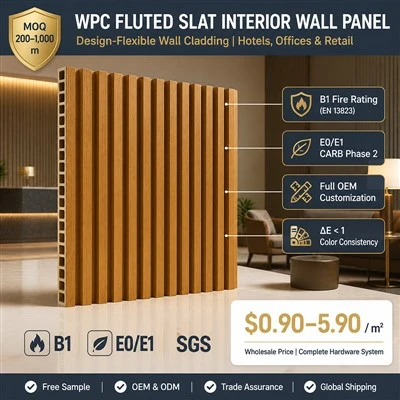
When it comes to construction and interior design, concrete PVC wall panels have emerged as a popular choice for many projects. As a supplier of Concrete PVC Wall Panels, I often receive inquiries about the weight of these panels. Understanding the weight of concrete PVC wall panels is crucial for various reasons, including installation, structural considerations, and transportation. In this blog post, I will delve into the factors that influence the weight of these panels and provide some insights to help you make informed decisions.

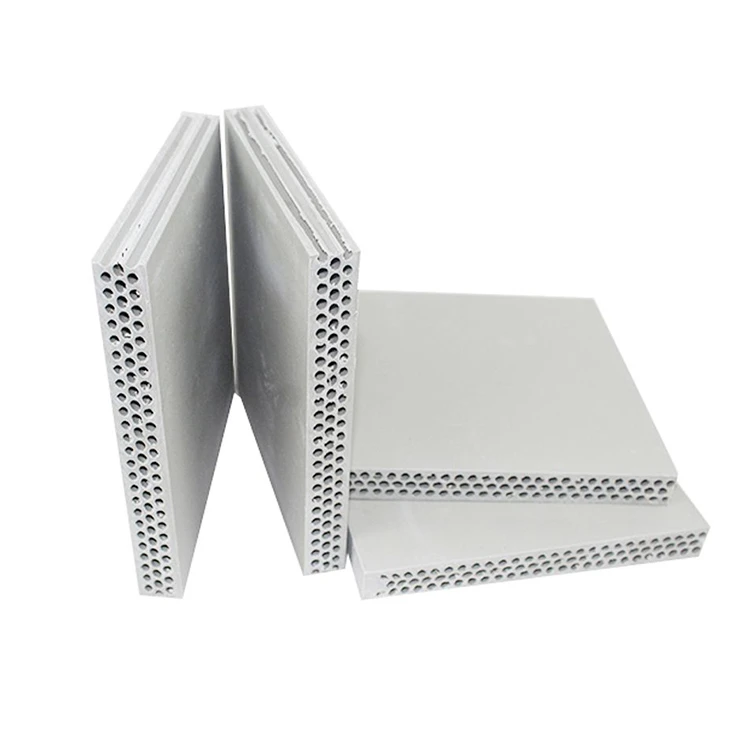
Factors Affecting the Weight of Concrete PVC Wall Panels
The weight of concrete PVC wall panels can vary significantly depending on several factors. Here are some of the key elements that influence their weight:
1. Panel Thickness
One of the most significant factors affecting the weight of concrete PVC wall panels is their thickness. Thicker panels generally weigh more than thinner ones. The thickness of these panels can range from a few millimeters to several centimeters, depending on the specific application and design requirements. For example, panels used for exterior walls may be thicker and heavier to provide better insulation and durability, while those used for interior decoration may be thinner and lighter.
2. Density of Materials
The density of the materials used in the manufacturing of concrete PVC wall panels also plays a crucial role in determining their weight. PVC (polyvinyl chloride) is a relatively lightweight plastic material, but when combined with concrete or other additives, the density of the panel can increase. The type and proportion of additives used can vary, which can result in panels with different weights. For instance, panels with a higher proportion of concrete or other heavy fillers will be heavier than those with a lower proportion.
3. Panel Size
The size of the panel is another important factor that affects its weight. Larger panels typically weigh more than smaller ones, as they contain more material. When choosing the size of the panels for your project, it is essential to consider the weight-bearing capacity of the structure and the ease of installation. Larger panels may require more support during installation and may be more challenging to handle and transport.
4. Design and Texture
The design and texture of the concrete PVC wall panels can also impact their weight. Panels with intricate designs or textures may require more material to create, resulting in a heavier panel. Additionally, some textures may add thickness to the panel, further increasing its weight. For example, panels with a faux brick or stone texture may be heavier than smooth panels due to the additional material used to create the texture.
Average Weight of Concrete PVC Wall Panels
The average weight of concrete PVC wall panels can vary widely depending on the factors mentioned above. However, as a general guideline, the weight of these panels typically ranges from 5 to 20 kilograms per square meter. This range can be used as a starting point when estimating the weight of the panels for your project.
For example, a standard 1 square meter panel with a thickness of 10 millimeters and a medium density may weigh around 8 to 10 kilograms. On the other hand, a thicker panel with a higher density and a larger size may weigh up to 20 kilograms or more per square meter.
It is important to note that these are just average weights, and the actual weight of the panels may vary depending on the specific product and manufacturer. When purchasing concrete PVC wall panels, it is recommended to consult with the supplier to obtain accurate weight information for the panels you are considering.
Importance of Knowing the Weight of Concrete PVC Wall Panels
Understanding the weight of concrete PVC wall panels is essential for several reasons:
1. Structural Considerations
The weight of the panels must be taken into account when designing the structure that will support them. The building's foundation, walls, and framing must be able to withstand the additional load imposed by the panels. If the weight of the panels exceeds the weight-bearing capacity of the structure, it can lead to structural damage or failure. Therefore, it is crucial to consult with a structural engineer or a professional contractor to ensure that the structure is designed to support the weight of the panels.
2. Installation
The weight of the panels can also affect the installation process. Heavier panels may require more labor and equipment to install, which can increase the installation cost. Additionally, the weight of the panels may require additional support during installation to prevent them from sagging or warping. It is important to follow the manufacturer's installation instructions carefully to ensure that the panels are installed correctly and safely.
3. Transportation
The weight of the panels can impact the transportation process. Heavier panels may require specialized transportation equipment and may be more expensive to transport. Additionally, the weight of the panels may limit the number of panels that can be transported at once, which can increase the transportation time and cost. When planning the transportation of the panels, it is important to consider the weight and size of the panels, as well as the transportation route and the available transportation equipment.
Different Types of Concrete PVC Wall Panels and Their Weights
There are several types of concrete PVC wall panels available in the market, each with its own unique features and weights. Here are some common types of concrete PVC wall panels and their approximate weights:
1. Faux Brick PVC Wall Panel
Faux brick PVC wall panels are designed to mimic the appearance of real brick walls. These panels are lightweight and easy to install, making them a popular choice for both interior and exterior decoration. The weight of faux brick PVC wall panels typically ranges from 5 to 10 kilograms per square meter. You can find more information about Faux Brick PVC Wall Panel.
2. Waterproof PVC Wall Panel
Waterproof PVC wall panels are designed to resist water and moisture, making them ideal for use in bathrooms, kitchens, and other wet areas. These panels are usually thicker and heavier than regular PVC wall panels to provide better waterproofing performance. The weight of waterproof PVC wall panels typically ranges from 8 to 15 kilograms per square meter. You can learn more about Waterproof PVC Wall Panel.
3. Insulated PVC Wall Panels
Insulated PVC wall panels are designed to provide thermal insulation, which can help reduce energy consumption and lower heating and cooling costs. These panels are typically thicker and heavier than regular PVC wall panels due to the insulation material used. The weight of insulated PVC wall panels typically ranges from 10 to 20 kilograms per square meter. For more details on Insulated PVC Wall Panels.
Conclusion
In conclusion, the weight of concrete PVC wall panels is influenced by several factors, including panel thickness, density of materials, panel size, and design and texture. Understanding the weight of these panels is crucial for various reasons, including structural considerations, installation, and transportation. When choosing the panels for your project, it is important to consider these factors and select the panels that best meet your requirements.
As a supplier of Concrete PVC Wall Panels, I am committed to providing high-quality products and excellent customer service. If you have any questions or need further information about the weight of our panels or any other aspect of our products, please do not hesitate to contact us. We look forward to discussing your project and helping you find the perfect solution for your needs.
References
- Building Materials Handbook, various editions
- PVC Manufacturing and Applications Research Papers
- Construction Industry Standards and Guidelines