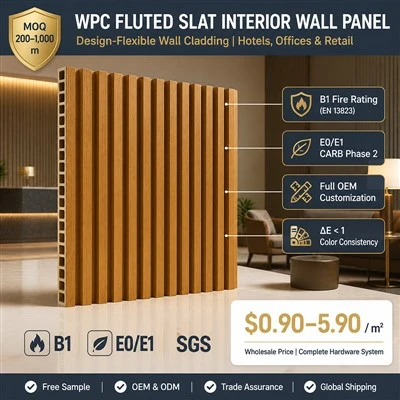
When it comes to maintaining the exterior of your property, WPC (Wood-Plastic Composite) cladding is an excellent choice. As a supplier of Exterior WPC Cladding, I understand the importance of keeping this material clean and in good condition. In this blog, I'll discuss the types of cleaners that can be used on exterior WPC cladding, ensuring its longevity and aesthetic appeal.
Understanding WPC Cladding
WPC cladding is a popular choice for exterior applications due to its durability, low maintenance, and attractive appearance. It combines the natural look of wood with the strength and weather resistance of plastic. However, like any exterior material, it can accumulate dirt, grime, and other contaminants over time. Regular cleaning not only keeps the cladding looking its best but also helps to prevent damage and extend its lifespan.
General Cleaning Guidelines
Before applying any cleaner, it's important to follow some general cleaning guidelines:
- Test in a Small Area: Always test the cleaner on a small, inconspicuous area of the cladding first to ensure it doesn't cause any damage or discoloration.
- Use Soft Tools: Use a soft brush or sponge to avoid scratching the surface of the cladding.
- Rinse Thoroughly: After cleaning, rinse the cladding thoroughly with clean water to remove any remaining cleaner.
- Follow Manufacturer's Instructions: Refer to the manufacturer's cleaning recommendations for your specific WPC cladding product.
Types of Cleaners
There are several types of cleaners that can be used on exterior WPC cladding, each with its own advantages and limitations. Here are some of the most common options:
Mild Detergent
A mild detergent is often the first choice for cleaning WPC cladding. It's gentle enough to use on the surface without causing damage, and it can effectively remove dirt, dust, and light stains. To use a mild detergent, mix it with water according to the manufacturer's instructions. Then, apply the solution to the cladding using a soft brush or sponge. Scrub the surface gently, paying special attention to areas with stubborn stains. Rinse the cladding thoroughly with clean water to remove the detergent.
Vinegar Solution
Vinegar is a natural and effective cleaner that can be used on WPC cladding. It has antibacterial and antifungal properties, making it a good choice for removing mold and mildew. To make a vinegar solution, mix equal parts of white vinegar and water in a spray bottle. Spray the solution onto the cladding and let it sit for a few minutes. Then, scrub the surface with a soft brush or sponge and rinse thoroughly with clean water.
Pressure Washer
A pressure washer can be a quick and efficient way to clean WPC cladding, especially for large areas. However, it's important to use the pressure washer correctly to avoid damaging the cladding. When using a pressure washer, keep the nozzle at least 12 inches away from the cladding and use a low-pressure setting. Start with a small area and test the pressure to ensure it doesn't cause any damage. Avoid using a high-pressure setting or spraying directly at the joints or seams of the cladding.
Specialized WPC Cleaners
There are also specialized cleaners available on the market that are specifically designed for WPC cladding. These cleaners are formulated to remove tough stains, dirt, and grime without damaging the surface of the cladding. They often contain ingredients that help to protect the cladding from UV rays and other environmental factors. When using a specialized cleaner, follow the manufacturer's instructions carefully.
Avoiding Harsh Chemicals
It's important to avoid using harsh chemicals on WPC cladding, as they can damage the surface and cause discoloration. Avoid using bleach, ammonia, or abrasive cleaners, as these can strip the protective coating of the cladding and make it more susceptible to damage. Instead, opt for mild detergents, vinegar solutions, or specialized WPC cleaners.


Maintaining WPC Cladding
In addition to regular cleaning, there are some other steps you can take to maintain the appearance and longevity of your WPC cladding:
- Inspect Regularly: Check the cladding regularly for any signs of damage, such as cracks, warping, or discoloration. If you notice any issues, address them promptly to prevent further damage.
- Trim Vegetation: Keep vegetation away from the cladding to prevent it from scratching or damaging the surface. Trim any overhanging branches or vines that may come into contact with the cladding.
- Protect from UV Rays: WPC cladding can fade over time when exposed to UV rays. To protect the cladding from UV damage, consider applying a UV protectant or using a cladding with a built-in UV inhibitor.
- Seal the Joints: Seal the joints and seams of the cladding to prevent water from seeping in and causing damage. Use a high-quality sealant that is specifically designed for WPC cladding.
Conclusion
Maintaining the exterior of your property is important, and WPC cladding is a great choice for achieving a beautiful and durable look. By using the right cleaners and following the proper maintenance procedures, you can keep your WPC cladding looking its best for years to come. If you have any questions or need further advice on cleaning and maintaining your WPC cladding, please don't hesitate to contact us. We're here to help you make the most of your investment in Exterior WPC Cladding.
If you're interested in learning more about our WPC cladding products, you can visit our website to explore our WPC Board Elevation, Wpc Cladding Exterior, and Fluted Panel WPC options. We're always happy to discuss your project requirements and provide you with a quote. Contact us today to start your journey towards a beautiful and functional exterior with our WPC cladding.
References
- Manufacturer's instructions for WPC cladding products
- General knowledge of WPC cladding maintenance and cleaning