For home-improvement retail chains, private-label products are one of the most powerful margin levers available. A well-executed private-label program can lift category margins by double digits while turning customers into loyal buyers of the store's own brand. But launching a private label line in a category as specification-heavy as PVC wall panels is not as simple as putting a new logo on a standard product.
This case study follows a European home-improvement retail chain as it moved from reselling third-party PVC panels to building its own private-label line - and how the choice of manufacturing partner made the difference between a stalled pilot and a category-leading program.
The Challenge: A Retailer's Ambition vs. Supply Chain Reality
The Buyer: A European home-improvement retail chain operating 120+ stores across Germany, France, and the Netherlands. Its wall panel category was growing 15% year over year - but every unit sold was a third-party brand, meaning thin margins, no product differentiation, and no control over supply.
The Problem: The chain's management set an ambitious goal: launch a private-label PVC wall panel line within two selling seasons. Its existing supplier relationships made that goal look impossible:
No customization. The incumbent supplier sold only standard stock panels - fixed colors, fixed sizes, and no flexibility to match the chain's store brand palette.
Retail packaging gap. Panels arrived in plain industrial cartons - no barcode-ready labeling, no multilingual instructions, nothing suitable for direct-to-shelf display.
Certification shortfalls. The supplier could not produce CE certificates with valid certificate numbers or batch test reports, which EU retailers require for building products.
Inflexible MOQs. A pilot launch needed small quantities of multiple designs; the supplier insisted on full-container orders of single SKUs.
Unpredictable lead times. Delivery windows varied by weeks, making store-level launch planning impossible.
The retail buyer summarized the situation: "We didn't need a factory that could make panels. We needed a partner who could build a product line with us."


The Search: What the Retailer Needed
The chain evaluated six manufacturers across China and Southeast Asia against a strict supplier scorecard:
|
Criterion |
What They Needed |
|
Customization |
Custom colors, sizes, and profile designs matched to the store brand |
|
Certification |
Valid CE certificates, batch test reports, and EN fire classification documentation |
|
Retail-Ready Packaging |
Barcode-ready labeling, multilingual instructions, shelf-friendly cartons |
|
MOQ Flexibility |
Pilot-sized orders before full-container commitments |
|
Consistency |
Identical quality batch after batch, order after order |
|
Communication |
A dedicated contact, clear English, fast response to technical questions |
After a three-month evaluation, the chain selected Naturewing - a manufacturer that stood out on every criterion, especially for its willingness to invest in mold development and retail packaging design before a single container was ordered.
The Partnership: From Pilot to Private-Label Category
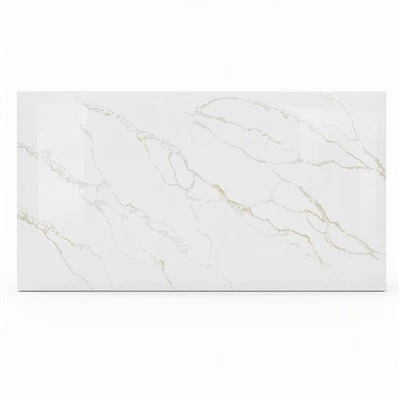
1. Co-Development of a Custom Range. Working from the chain's brand palette and store sales data, Naturewing's design team developed 12 custom finishes - wood-grain textures and marble patterns tuned to regional preferences in Germany, France, and the Netherlands. New mold designs were produced in-house, giving the retailer products no competitor could easily copy.
2. Certification Delivered Upfront. Before production began, Naturewing provided CE certificates with valid certificate numbers, batch test reports, and EN 13501-1 fire classification documentation. The retailer's compliance team approved the file in two weeks - a process that had taken months with previous suppliers.
3. Retail-Ready Packaging as Standard. Naturewing designed barcode-ready cartons with multilingual labels, installation instructions, and shelf-friendly graphics. Panels were packed in mixed-SKU pallets built for the chain's distribution centers, cutting in-store handling time by nearly half.
4. Pilot First, Scale Later. The program launched with a pilot: 6 SKUs across 15 stores. Naturewing's flexible MOQ let the chain test the market without betting the warehouse on it. When sell-through beat internal targets, the rollout accelerated quickly.
5. Quality with Traceability. Every shipment carried batch-level traceability documentation. The chain could trace any carton back to its production batch - essential for a retailer that takes product liability seriously.
The Results: A Category Transformed
|
Metric |
Before |
After 18 Months |
|
Private-Label SKUs |
0 |
24 |
|
Stores Carrying the Line |
0 |
120+ |
|
MOQ Requirement |
Full containers only |
Pilot-friendly, scalable |
|
Defect Rate |
3.5% (third-party) |
<0.8% |
|
Lead Time Consistency |
±4 weeks |
±1 week |
|
Category Margin |
Baseline |
+18 percentage points |
|
Repeat Order Frequency |
- |
Monthly |
Key Takeaways for Retailers
1. Start with a Pilot, Not a Full Line. Flexible MOQs let you test designs and pricing before committing to volume. A partner who insists on full containers from day one is not built for product development.
2. Verify Certification Files, Not Just Claims. Valid CE certificate numbers and batch test reports are the difference between a two-week compliance approval and a two-month delay.
3. Packaging Is Part of the Product. Retail-ready packaging - barcodes, multilingual labels, shelf-friendly cartons - saves real money in the warehouse and at the shelf.
4. Choose a Partner Who Can Co-Develop. The products that built this category were custom finishes and molds no competitor could copy. Standard stock catalogs do not build private-label brands.
5. Plan for Traceability. Batch-level documentation protects your brand and your customers. If a supplier cannot provide it, that is a risk you should not take.
About Naturewing: As a China-based manufacturer with 27+ years of experience in WPC and PVC panel production, Naturewing operates 37+ production lines in a 20,000㎡ facility, offering full in-house manufacturing, CE/SGS/ISO 9001 certifications, and OEM/ODM services - including custom colors, sizes, and mold designs. Our products are exported to over 150 countries and regions. If you are considering a private-label program, contact us to discuss how we can build it together.