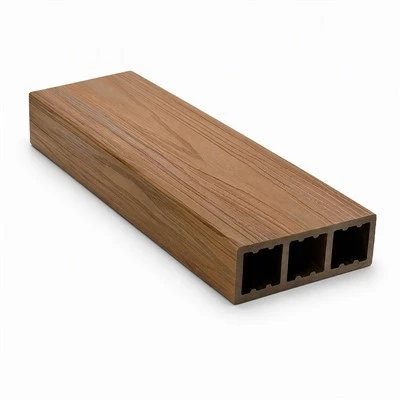
A building materials distributor in North Rhine-Westphalia sells WPC wall panels and SPC flooring into German and Dutch renovation channels. Its demand profile is unusually concentrated: more than half of annual panel volume moves between February and May, when installers restart work after winter. Its supply profile is the opposite - Chinese factories shut for Chinese New Year 2027 on 6 February, exactly as German demand accelerates. The distributor needed fourteen weeks of sellable stock in the warehouse before February. This is how one October order cycle delivered it.
The Challenge: A 14-Week Stock Gap
Demand timing: 55% of annual panel and flooring volume sells between February and May, with the steepest weeks in March.
Supply timing: production stops for Chinese New Year 2027 on 6 February and ramps back slowly through late February, cutting available output for more than a month.
Cash timing: fourteen weeks of stock is a single funding event, not a rolling one - the balance sheet had to absorb it once, cleanly.
Space timing: 2,400 pallet positions in the regional warehouse meant one pre-holiday intake and one post-holiday intake, not continuous replenishment.
Colour consistency: panels received in February and panels received in May sit on the same shelf, so the colour had to match across both batches.
Why an October Order Won the Slot
The distributor started procurement conversations in September and found the booking calendar already moving. By early October most panel factories were reporting pre-holiday production substantially committed, and suppliers quoting November order dates were quoting late-January production with no slot guarantee attached. The decision that mattered was not which factory to use - it was ordering while a named production week was still available. Placing in October converted the schedule from a hope into a reservation.
Supplier Selection: The Three Written Commitments
Three manufacturers quoted. The contract went to Naturwing (Hangzhou Feihuang Industry Co., Ltd.) on three commitments the others would not put in writing.
|
Commitment |
Why It Won |
|
Named production weeks |
Two production weeks reserved in writing - one before the holiday cut-off, one in the first ramp-up week after it. |
|
Batch colour programme |
One master colour reference held at the factory, with every batch compared against it so the February and May deliveries match on the shelf. |
|
Per-batch documentation |
Wear-layer and formaldehyde reports plus a certificate of analysis issued with each batch, so the distributor's own customers could file without chasing paperwork. |
Execution: Two Deliveries, One Funding Event
|
Phase |
Volume |
Outcome |
|
Pre-holiday batch |
14 containers |
Produced in the reserved week; loaded and sailed before the pre-holiday cut-off |
|
Inland and port handling |
- |
Consolidated at a single port with one documentation set covering both batches |
|
Post-holiday batch |
8 containers |
Produced in the first ramp-up week, with no queue position behind March orders |
|
Warehouse intake |
22 containers |
Staged into 2,400 pallet positions across two intakes instead of one peak |
|
Colour verification |
Both batches |
Both batches measured against the master reference; no shelf mismatch reported |
Splitting the programme gave the distributor something a single large order could not: the first batch began selling in February while the second was still on the water, so working capital started returning roughly eight weeks earlier than a one-shot order would have allowed.
Results and Lessons
Stock covered the full February-to-May selling window with no stockout weeks, and the two batches sold side by side without a visible colour difference - the point the distributor had been most concerned about.
Three practices made the programme repeatable. First, treat the production slot as the deliverable: the reservation date is worth more than a lower unit price attached to an unconfirmed schedule. Second, plan two orders rather than one, so the holiday sits between batches instead of inside a single lead time. Third, hold one master colour reference across both batches, because demand peaks and production gaps rarely line up and colour drift is what buyers notice first.
For distributors with a spring-weighted demand curve, the pattern is straightforward: map the shutdown, reserve two named weeks, and place both orders while the calendar still has room - whether the programme is 22 containers or 220.
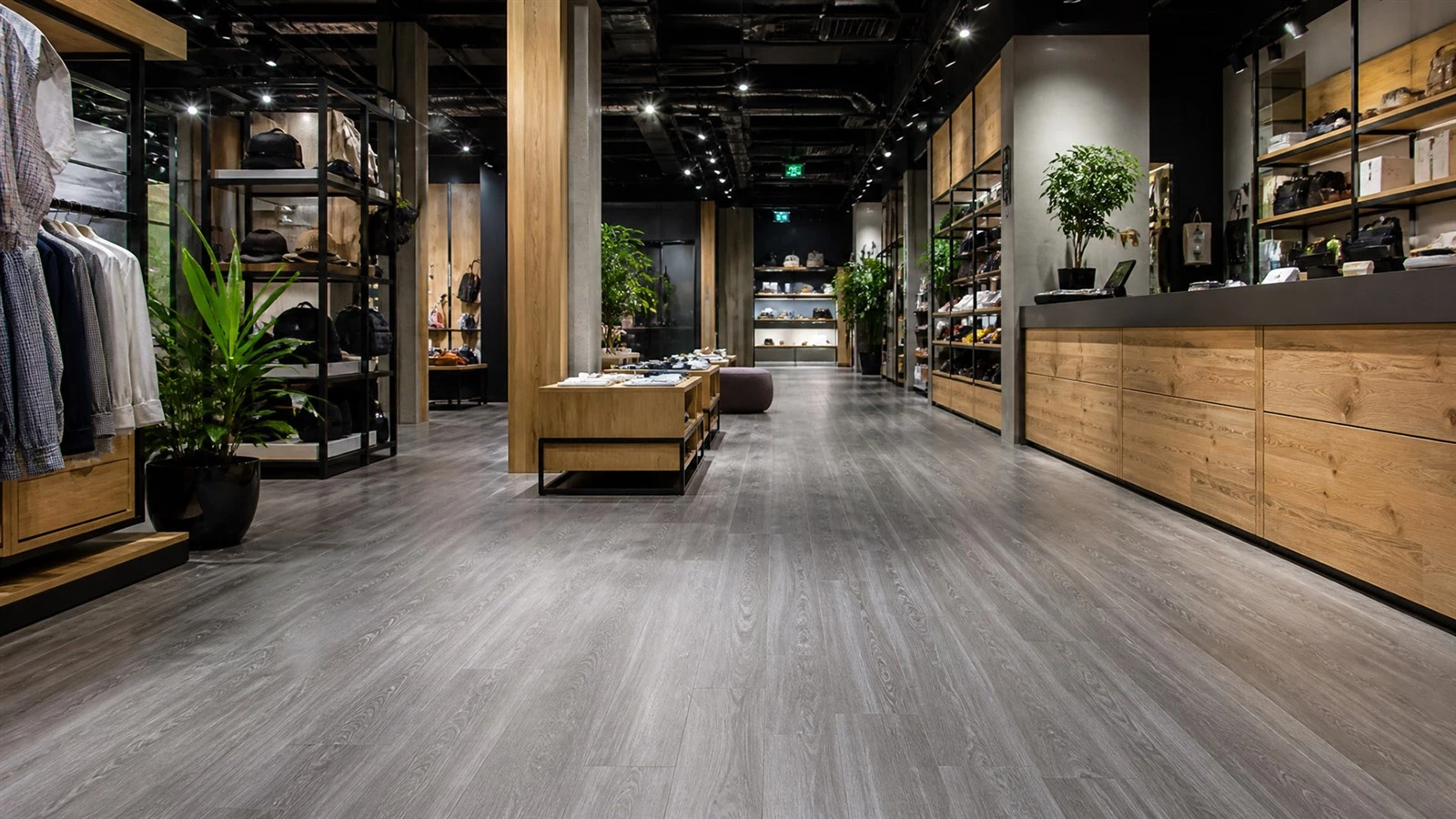


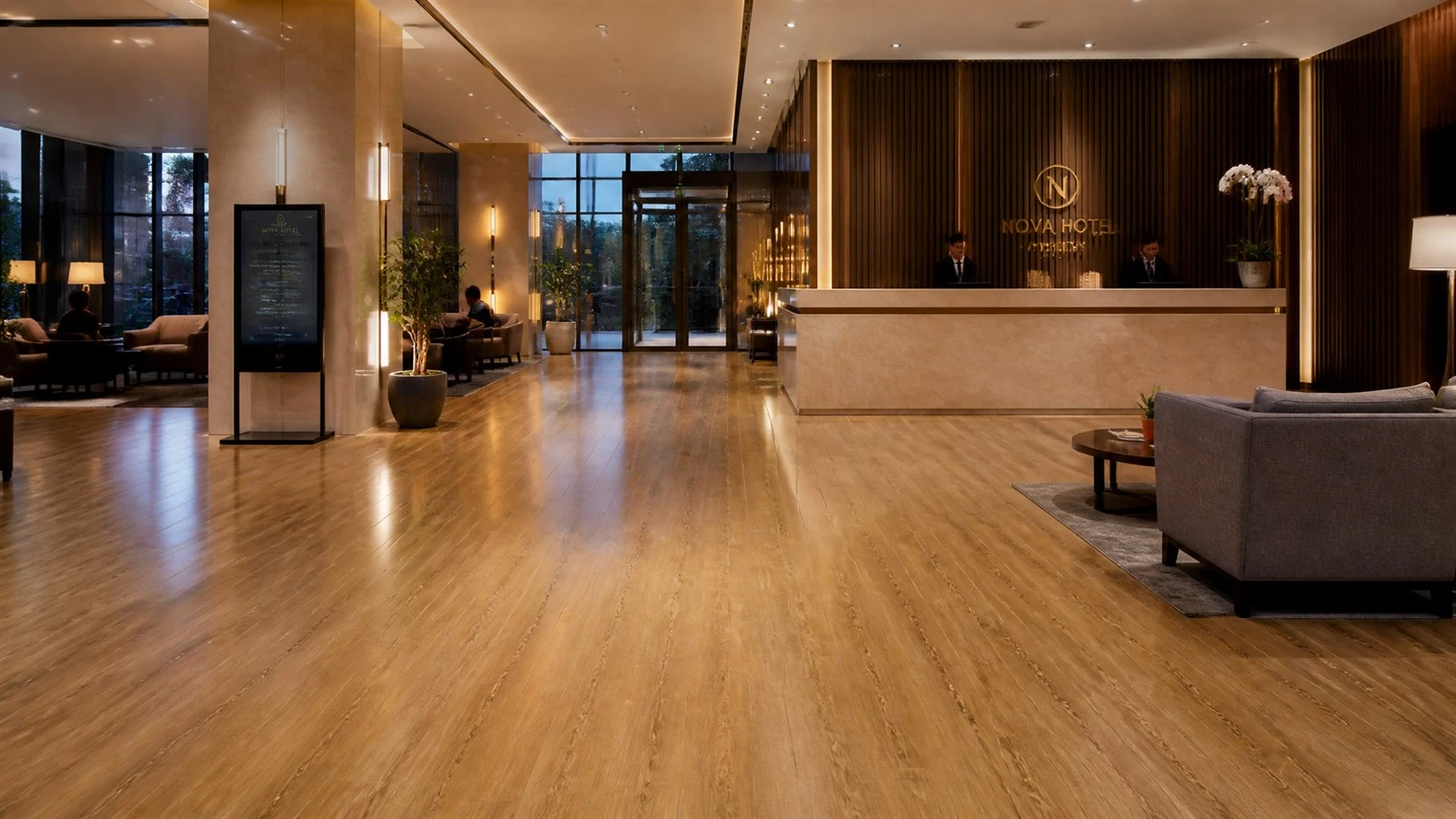
About Naturwing: Naturwing (Hangzhou Feihuang Industry Co., Ltd.) manufactures WPC and PVC panels, SPC flooring and decking with 27+ years of experience, CE/SGS/ISO 9001 certification and batch-traceable quality. Pre-holiday production slots for 2027 are being reserved now. Request a slot confirmation.